
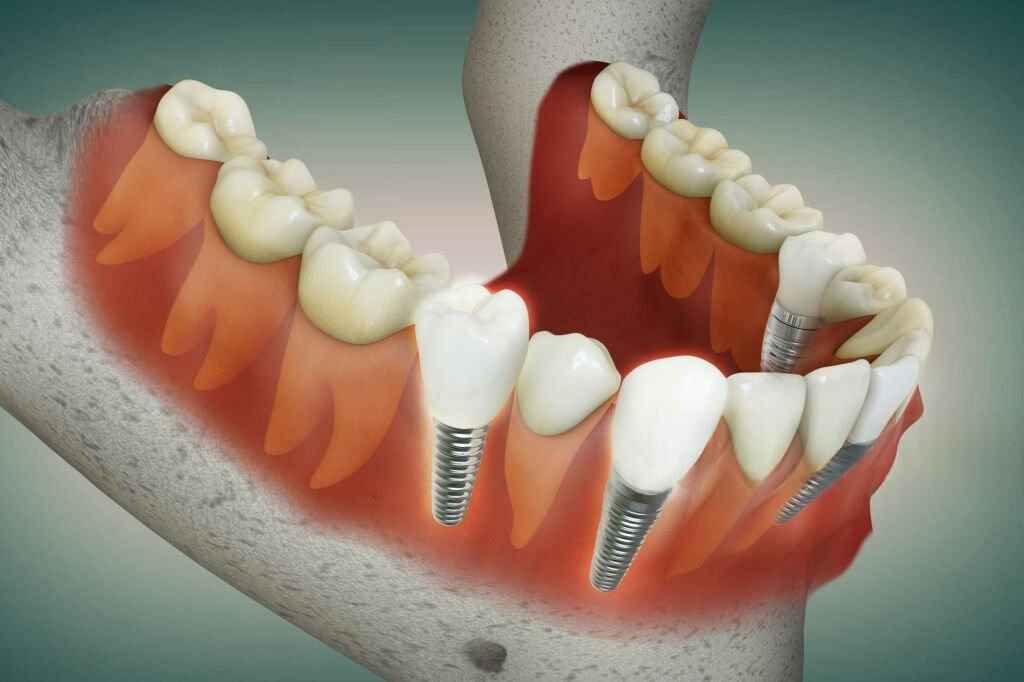
Losing a tooth affects more than just your smile. Many people are surprised to learn that tooth loss also triggers changes beneath the surface, particularly in the jawbone. These changes can influence facial appearance, bite stability, and long-term oral health if not addressed in time.
At Coast Dental Centre, patients often ask why dentists recommend replacing missing teeth promptly and why dental implants are considered one of the most effective solutions. Understanding how the jawbone responds to tooth loss explains why treatment timing matters and how dental implants in Maple Ridge can help preserve oral health.
The Role of the Jawbone in Oral Health
The jawbone is not a static structure. It remains healthy through regular stimulation created by chewing and biting. Each natural tooth has a root that transfers pressure into the jawbone, signalling the body to maintain bone strength and density.
When a tooth is present, this stimulation helps keep the jawbone stable and well supported. When a tooth is lost, that stimulation stops.
What Happens to the Jawbone After Tooth Loss
Bone resorption begins quickly
Once a tooth is missing, the body no longer receives signals to maintain bone in that area. As a result, the jawbone begins a process called resorption, where bone tissue gradually breaks down and shrinks.
Bone loss can begin within months of tooth loss and continues over time if the space is left untreated.
Changes in facial structure
As jawbone volume decreases, it can affect facial appearance. Bone loss may contribute to a sunken or collapsed look around the mouth and cheeks, making the face appear older over time.
These changes are subtle at first but become more noticeable as bone loss progresses.
Shifting of nearby teeth
The jawbone provides support not only for individual teeth but also for overall alignment. When bone is lost, neighbouring teeth may begin to shift toward the empty space. This can affect bite balance and increase stress on remaining teeth.
Impact on bite and chewing
Bone loss can lead to changes in how teeth come together. An uneven bite may cause discomfort, difficulty chewing, or increased wear on certain teeth.
Why Traditional Tooth Replacement Does Not Prevent Bone Loss
Many patients assume that any tooth replacement will protect the jawbone. While options like dental bridges and dentures restore appearance and function, they do not replace the tooth root.
Dental bridges
A dental bridge fills the visible gap but relies on adjacent teeth for support. Because no root is placed into the jawbone, bone loss beneath the missing tooth continues.
Dentures
Dentures rest on top of the gums and jawbone. Over time, ongoing bone loss can cause dentures to loosen, leading to discomfort and the need for adjustments or replacements.
How Dental Implants Help Preserve the Jawbone
Replacing the tooth root
Dental implants are designed to replace both the visible tooth and the root. A small titanium post is placed into the jawbone, where it integrates with the bone through a process called osseointegration.
This integration allows the implant to function like a natural tooth root.
Restoring natural stimulation
When you chew with a dental implant, pressure is transferred into the jawbone just like a natural tooth. This stimulation signals the body to maintain bone density and structure in that area.
As a result, dental implants help prevent or slow further bone loss.
Supporting long term stability
By preserving bone, dental implants help maintain facial structure, bite alignment, and overall oral health. This stability benefits not only the replaced tooth but also the surrounding teeth.
Additional Benefits of Dental Implants
Long-lasting solution
With proper care, dental implants are designed to last for many years and often decades. They are resistant to decay and provide strong, reliable support for crowns or bridges.
Natural look and feel
Implants are customized to match natural teeth, allowing them to blend seamlessly with your smile. They feel stable and secure during eating and speaking.
Protecting nearby teeth
Unlike bridges, implants do not require reshaping neighbouring teeth. This helps preserve natural tooth structure and long-term dental health.
Timing Matters After Tooth Loss
Early placement can limit bone loss
Replacing a missing tooth sooner rather than later can reduce the amount of bone loss that occurs. In some cases, early implant placement may eliminate the need for additional procedures.
Bone grafting considerations
If significant bone loss has already occurred, bone grafting may be needed before implant placement. While this can still lead to successful results, early intervention often simplifies treatment.
A consultation with a dentist in Maple Ridge helps determine the most appropriate timing and approach.
Are Dental Implants Right for Everyone
Dental implants are suitable for many patients, but overall health, bone quality, and oral hygiene all play a role. Certain medical conditions or lifestyle factors may affect eligibility.
A thorough evaluation ensures implants are a safe and effective option for your specific needs.
Why Professional Evaluation Is Important
Jawbone changes are not always visible or noticeable right away. Dental imaging allows a dentist to assess bone levels, tooth position, and long-term risks associated with missing teeth.
A trusted dentist in Maple Ridge provides guidance based on your current oral health and future goals, rather than focusing only on short-term appearance.
Local Considerations for Patients in Maple Ridge
Patients exploring dental implants in Maple Ridge often want a solution that supports comfort, function, and long-term oral health. Dental implants are widely recommended because they address the underlying bone changes caused by tooth loss, not just the visible gap.
Choosing a dental clinic that emphasizes comprehensive care ensures better outcomes over time.
Final Thoughts
Tooth loss triggers changes in the jawbone that can affect facial appearance, bite stability, and overall oral health. These changes begin sooner than many people expect and continue if left untreated.
Dental implants are unique because they replace the tooth root, restore natural stimulation, and help preserve the jawbone. For many patients, this makes implants the most effective long-term solution after tooth loss.
Schedule a Dental Implant Consultation in Maple Ridge
If you have lost a tooth or are considering replacement options, the team at Coast Dental Centre is here to help. We provide thorough evaluations and personalized treatment plans focused on preserving jawbone health and restoring confident smiles.
Call 604-463-2227 to book a consultation with a trusted dentist in Maple Ridge and learn whether dental implants are the right solution for you.

