
Missing more than one tooth can affect much more than your appearance. It can change how you chew, how your bite functions, and even how your jawbone and facial structure are supported over time. When multiple teeth are missing, choosing the right replacement option becomes especially important for long-term comfort and oral health.
At Coast Dental Centre, patients often ask whether dental bridges are a suitable solution for replacing several missing teeth and what options are available. Understanding how different types of dental bridges work can help you make an informed decision with guidance from a trusted dentist in Maple Ridge.
Why Replacing Multiple Missing Teeth Matters
When several teeth are missing, the impact on oral health can be significant. Over time, gaps in the smile can lead to
• Shifting of remaining teeth
• Changes in bite alignment
• Increased stress on nearby teeth
• Difficulty chewing and speaking
• Gradual jawbone loss
Replacing missing teeth helps restore balance in the mouth and protects surrounding structures from long-term damage.
What Is a Dental Bridge?
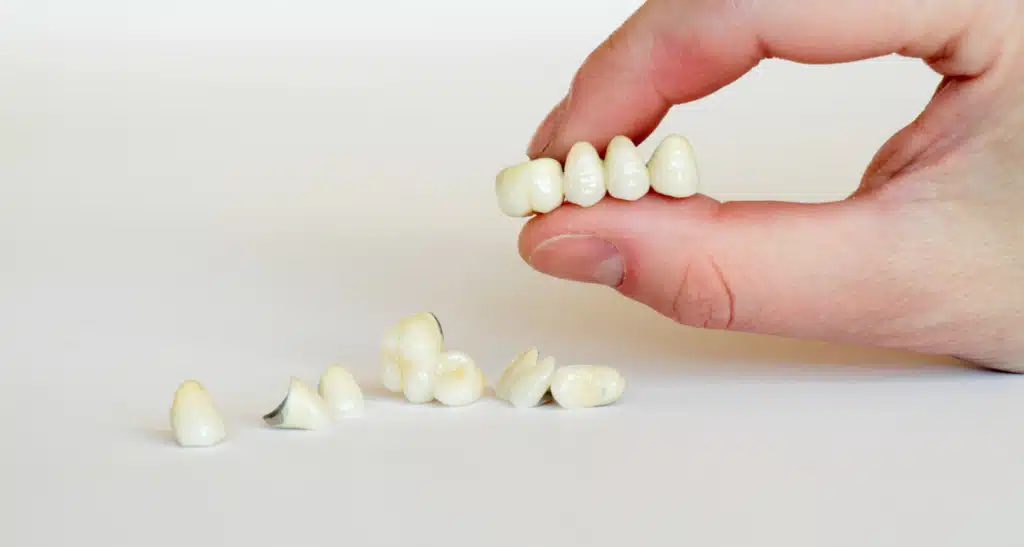
A dental bridge is a fixed tooth replacement that fills the space left by missing teeth. It is supported by either natural teeth, dental implants, or a combination of both. Dental bridges are designed to restore function and appearance while remaining securely in place.
When multiple teeth are missing, different bridge designs may be recommended depending on the location of the gaps and the condition of surrounding teeth.
Traditional Dental Bridges for Multiple Teeth
How traditional bridges work
A traditional dental bridge is anchored to natural teeth on either side of the missing area. These supporting teeth are prepared to hold crowns, which secure the bridge.
For multiple missing teeth, the bridge spans the entire gap, replacing several teeth in a row.
When a traditional bridge may be suitable
Traditional bridges may be recommended when
• The teeth next to the gap are healthy enough to support crowns
• Bone levels are not ideal for implants
• A non-surgical solution is preferred
• The missing teeth are located in a stable area of the mouth
This option provides a fixed, reliable restoration without surgery.
Limitations to consider
Traditional bridges rely on adjacent teeth for support. Over time, this can place additional stress on those teeth. In addition, traditional bridges do not replace tooth roots, so jawbone loss beneath the missing teeth may continue.
Implant-Supported Dental Bridges
What makes implant-supported bridges different
Implant-supported bridges use dental implants instead of natural teeth for support. Small titanium posts are placed into the jawbone, acting as artificial tooth roots. The bridge is then attached to these implants.
This approach is often recommended when multiple teeth are missing in a row.
Benefits of implant-supported bridges
Implant-supported bridges
• Do not rely on neighbouring teeth
• Help preserve jawbone density
• Provide excellent stability and strength
• Feel and function more like natural teeth
For many patients, this option offers a balance between durability and comfort.
Considerations for implant-supported bridges
Implant placement requires sufficient bone and a healing period. Treatment time is usually longer than traditional bridges, but the long-term benefits often outweigh the extended timeline.
A consultation with a dentist in Maple Ridge helps determine whether this option is appropriate.
Cantilever Bridges in Select Situations
A cantilever bridge is supported on only one side of the missing tooth area. While this option exists, it is generally used only in specific cases where bite forces are minimal.
For multiple missing teeth, cantilever bridges are less commonly recommended due to stability concerns.
How Many Teeth Can a Dental Bridge Replace?
The number of teeth a bridge can replace depends on
• The strength and health of supporting teeth or implants
• Bite forces in that area of the mouth
• Jawbone support
• Overall oral health
Your dentist evaluates these factors carefully to ensure the bridge will function safely and comfortably.
Dental Bridges Compared to Other Options
Dental bridges vs removable dentures
Removable partial dentures replace multiple teeth but are not fixed in place. Bridges offer greater stability, improved comfort, and a more natural feel for many patients.
Dental bridges vs individual dental implants
Individual implants replace each missing tooth separately. While this option provides excellent results, it may not always be necessary. Implant-supported bridges often reduce the number of implants needed while still preserving bone and function.
How Long Do Dental Bridges Last?
With good oral hygiene and regular dental visits, dental bridges can last many years. Longevity depends on
• Daily brushing and flossing
• Gum health
• Bite alignment
• Avoiding habits like teeth grinding
Implant-supported bridges often last longer because they do not rely on natural teeth for support.
Caring for a Dental Bridge
Maintaining a dental bridge requires consistent care.
Recommended habits include
• Brushing twice daily
• Cleaning beneath the bridge using floss threaders or specialized tools
• Attending regular dental checkups
• Addressing gum inflammation early
Proper care helps protect supporting teeth and extend the life of the bridge.
Why Personalized Planning Is Essential
Replacing multiple missing teeth is not a one-size-fits-all decision. Factors such as bone health, tooth condition, bite alignment, and long-term goals all influence the best treatment option.
A comprehensive evaluation ensures that the chosen solution supports both immediate function and future oral health.
Local Care for Patients in Maple Ridge
Patients seeking tooth replacement often look for dependable, long-term solutions from a trusted dental clinic. A professional dentist in Maple Ridge evaluates all available options and explains the benefits and limitations of each approach.
This guidance helps patients feel confident in their choice and avoid unnecessary complications.
Final Thoughts
Dental bridges offer several effective options for replacing multiple missing teeth. Whether supported by natural teeth or dental implants, bridges can restore function, appearance, and comfort when properly planned.
Understanding your options allows you to choose a solution that fits your oral health needs and lifestyle goals.
Book a Tooth Replacement Consultation in Maple Ridge
If you are missing several teeth and want to explore whether a dental bridge is right for you, the team at Coast Dental Centre is here to help. We provide thorough evaluations and personalized treatment plans focused on long-term oral health.
Call 604-463-2227 to schedule a consultation with a trusted dentist in Maple Ridge and learn more about dental bridge options for multiple missing teeth.

